
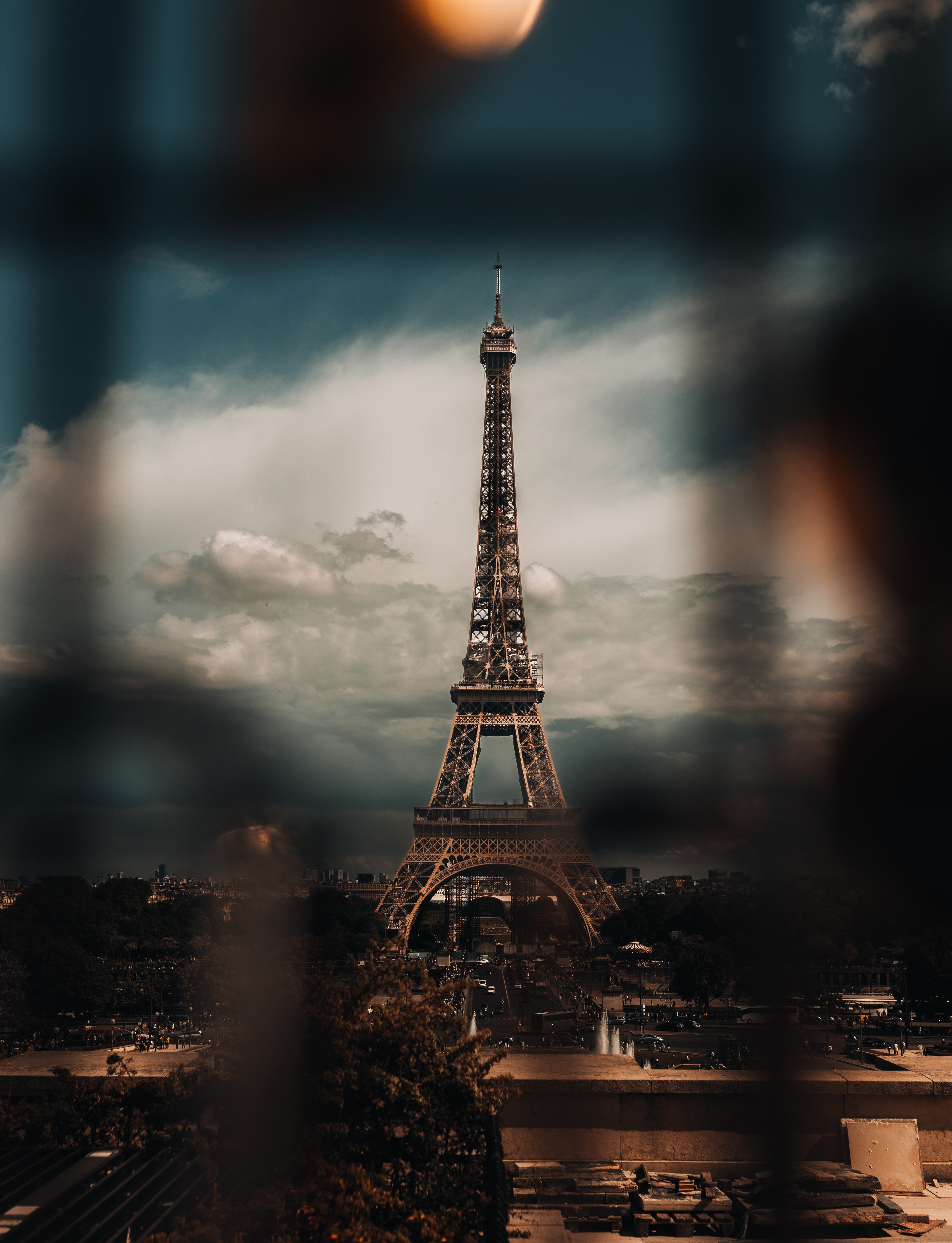
To stand beneath the Eiffel Tower is to stand before the very coordinate of Paris. It is a structure that Gustave Eiffel once described as "an iron lace," a daring vertical challenge to the low-slung Haussmannian skyline that has defined the city since 1889.
In 2026, the tower remains the summit of the Parisian experience. But navigating the "Iron Lady" effectively requires more than a ticket; it requires a strategy. From the nuances of summit access to the engineering secrets hidden within its 2.5 million rivets, this guide ensures your visit is as elegant as the structure itself.
Whether you are visiting for the first time or returning to see the city from a different height, understanding the tower as it stands in 2026 is essential for a refined discovery.
The Eiffel Tower in 2026 — What You Need to Know
Access to the tower remains highly regulated. Visitors must choose between the second floor (115m) and the summit (276m). While many are tempted to climb the stairs, our experiences utilize the elevator throughout—ensuring a seamless, effortless ascent that preserves your energy for the views.
Why is 2026 a particularly good year to visit? The tower has benefited from significant maintenance cycles following the 2024 festivities, meaning the paintwork is luminous and the visitor facilities are operating at a peak performance level.
When to Visit the Eiffel Tower
Timing is the primary pillar of a successful visit. The light in Paris shifts dramatically throughout the day, and the tower reacts accordingly.
- The Golden Hour: Arriving 90 minutes before sunset allows you to see the city in the warm afternoon glow before witnessing the blue hour and the first illuminations.
- The First Light: The 9:30 AM slot is often the quietest internal experience, though ground crowds begin to build rapidly by 11:00 AM.
- Night Illuminations: The tower sparkles for five minutes at the beginning of every hour after dusk until 11:00 PM.
- What to Avoid: Midday on Saturdays and Sundays during the summer months represents the maximum density for both ground security and elevator wait times.
How to Book Eiffel Tower Tickets in 2026
Direct booking via the official website (toureiffel.paris) remains the gold standard. Every ticket is for a specific timed-entry slot. In 2026, the price for a summit elevator ticket is approximately **€35.30**, while second-floor elevator access is priced at **€22.10**.
Note: Summit tickets are notoriously difficult to secure last-minute. If the official site is sold out, joining a guided tour is often the only remaining way to secure access, as operators hold pre-allocated slots.
Summit or Second Floor — Which Should You Choose?
The Second Floor
This is the favorite of photographers. At 115m, you are close enough to distinguish the individual architectures of the Louvre, Notre-Dame, and the Arc de Triomphe. It offers the most balanced perspective of the city.
The Summit
At 276m, the experience is about the drama of height. The city becomes a map. It includes access to Gustave Eiffel's private office and a champagne bar for a truly elevated toast.
Our Recommendation: Choose the Summit for the prestige, but spend your time on the Second Floor for the best views.
The Engineering Story — What Most Visitors Don't Know
The tower was never meant to be permanent. Built for the 1889 World's Fair, it was saved only because it proved useful as a giant radio antenna. Gustave Eiffel, a master of metal bridges, used 18,038 pieces of puddled iron and 2.5 million rivets to create this vertical dream.
Despite its immense weight (over 10,000 tonnes), the tower is surprisingly light for its volume—if you melted it down into a base the size of its footprint, the iron would be less than 6cm thick. It is also alive: the tower sways up to 15cm in high winds and can grow up to 15cm taller in the direct summer heat through thermal expansion.
The Best Views of the Eiffel Tower From the Ground
- Trocadéro: The classic, elevated symmetrically-aligned view from across the river. Best for sunrise.
- Champ de Mars: The sprawling lawns at the tower's base, perfect for an afternoon picnic.
- Bir-Hakeim Bridge: The most cinematic angle, often seen in films like *Inception*.
- Passy: A hidden, elevated view from the Metro Line 6 viaduct.
- Pont d'Iéna: Standing directly in the center of the bridge looking straight up into the iron lattice.
Visit the Eiffel Tower With a Licensed Guide
The Iron Lady has a hundred rivets, and each tells a story. Join one of our licensed guides for a private or semi-private elevator-led journey that reveals the engineering brilliance and cultural weight of Paris's most famous structure.
Frequently Asked Questions
How long does it take to visit the Eiffel Tower?
A standard visit to the second floor takes approximately 1.5 to 2 hours. If you are ascending to the summit, allow for 2.5 to 3 hours to account for the additional elevator queues and time spent at the peak.
Do you need to book Eiffel Tower tickets in advance?
Yes, exponentially so. Timed-entry tickets frequently sell out weeks in advance for peak periods. While some tickets are held for on-site purchase, the queues can exceed three hours. We strongly recommend booking online at least 4-6 weeks prior to your visit.
What is the difference between summit and second floor?
The second floor (115m) offers the best photographic views of the city's monuments. The summit (276m) provides the most dramatic height and a more intimate, enclosed atmosphere, including a peek into Gustave Eiffel's private office.
Is the Eiffel Tower worth visiting?
Absolutely. Beyond its status as a global icon, the tower is a masterwork of 19th-century engineering. The experience of seeing the city unfold beneath the iron lattice is a foundational Parisian moment that remains as powerful today as it was in 1889.
What time does the Eiffel Tower open?
Daily opening times are generally from 9:30 AM to 11:45 PM (elevators) or 9:30 AM to 10:45 PM (stairs). During the summer months, hours are typically extended until midnight.
Experience the koordinat of Paris with Scenic Zephyr Guides.
Explore All Tours